Get Livestock Fencing Installation in Larimer County, CO
Livestock fencing installation services help property owners in Larimer County, CO, and nearby areas secure livestock, prevent escapes, and define property boundaries through custom fencing projects.
Livestock fencing installation services are essential for property owners in Larimer County, CO who want to create secure and functional boundaries for their animals. Proper fencing helps prevent livestock from wandering off the property, reducing risks of accidents or loss, while also keeping unwanted visitors or predators out. Durable fencing materials can withstand the region’s varying weather conditions, providing long-lasting protection that minimizes the need for frequent repairs or replacements. Additionally, well-designed fences can enhance the overall appearance of the property, contributing to increased curb appeal and a more organized, maintained look.
Beyond safety and functionality, livestock fencing installation offers practical benefits that support property management and livestock wellbeing. High-quality fences can improve animal comfort by creating a contained environment that prevents injuries and stress. Reduced maintenance requirements are often a key consideration, as sturdy fencing options resist damage from wind, snow, and other elements common in Larimer County. A professionally installed fence also adds to the property's value, blending aesthetic appeal with practical use, making it easier for property owners to manage their land efficiently and confidently.
- Field fencing - ideal for enclosing large pastures or grazing areas in rural communities.
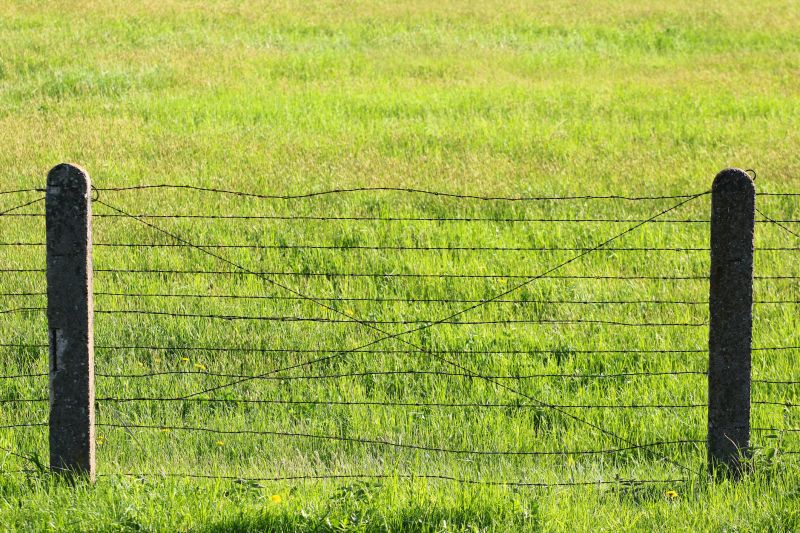
- Barbed wire fencing - suitable for securing livestock in open ranges or expansive farmland.
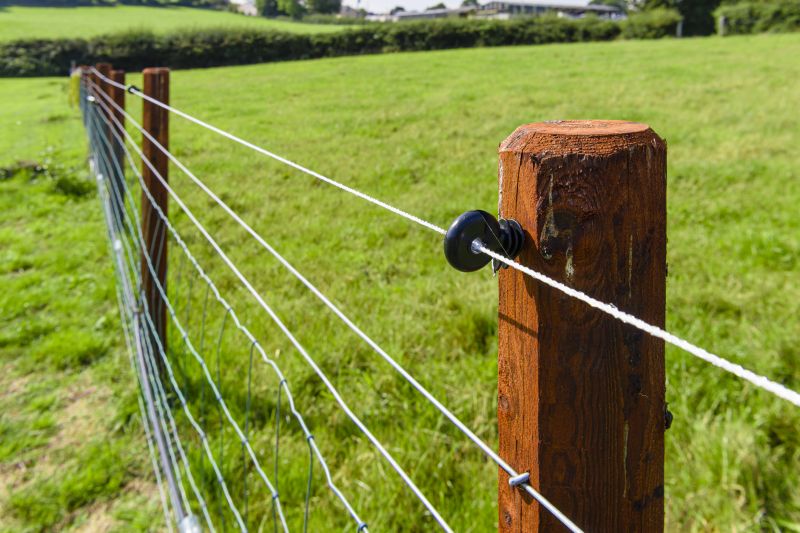
- Electric fencing - used to contain animals in areas requiring high visibility and added safety.
- Wooden fencing - often chosen for farm boundaries or aesthetic enclosures near residential properties.
- Pipeline fencing - appropriate for creating durable barriers along property lines or along roads in agricultural zones.
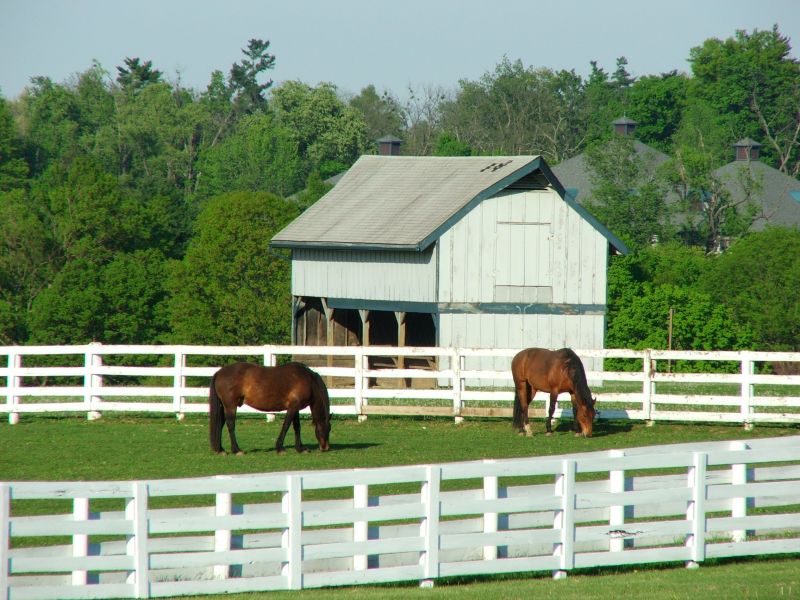
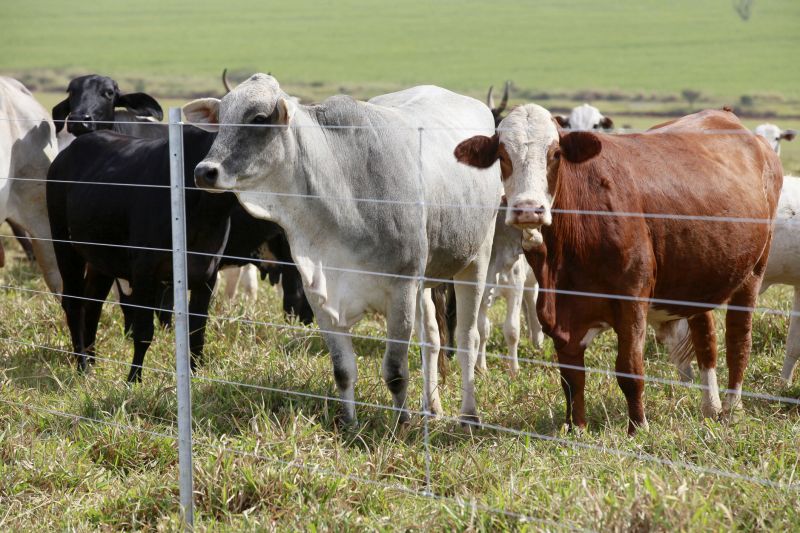
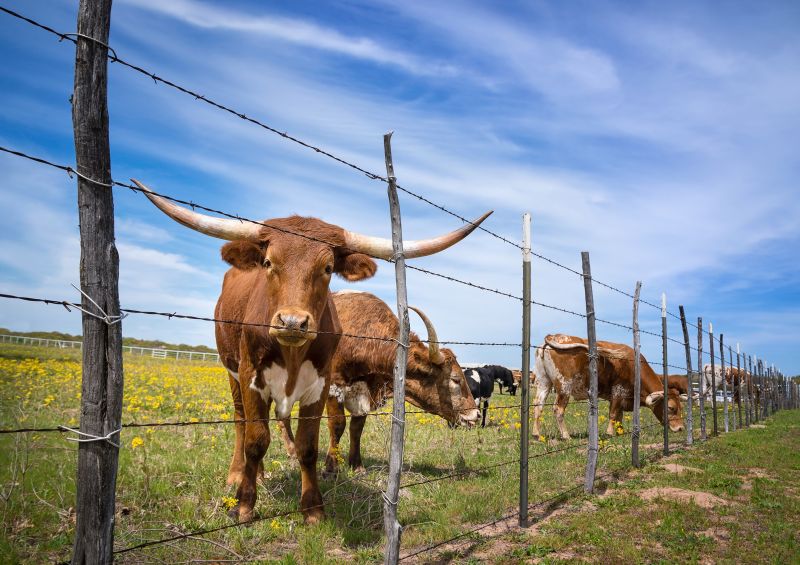
Livestock fencing installation services involve designing and setting up barriers that securely enclose animals such as cattle, horses, sheep, and goats. These services typically include selecting appropriate fencing materials, preparing the land, and installing the fencing structures to ensure durability and safety. Professionals may also advise on the best fencing styles and configurations to suit specific types of livestock and property layouts, helping to create a functional and reliable barrier that meets the needs of property owners.
One of the primary issues livestock fencing installation helps address is preventing animals from wandering off the property, which can lead to safety risks, property damage, or loss of livestock. Proper fencing also protects animals from external threats, such as predators or traffic, and helps maintain the integrity of grazing areas. Additionally, well-installed fences can reduce ongoing maintenance by resisting weather conditions and animal pressure, providing a long-term solution for property owners managing livestock.
Properties that typically utilize livestock fencing services include farms, ranches, and rural estates where animals are kept for agricultural purposes. These properties often require large, secure enclosures to accommodate multiple animals and varying terrain. In some cases, residential properties with hobby farms or equestrian facilities also benefit from livestock fencing to delineate pastures, riding areas, or private grazing zones. The installation process is tailored to suit the specific needs of each property, ensuring the fencing is both functional and durable over time.
Local service providers specializing in livestock fencing installation can offer a range of fencing options, including wood, wire, vinyl, and electric fences. They assess the property’s layout, terrain, and the type of livestock to recommend suitable fencing solutions. These experts handle all aspects of the installation process, from site preparation to the final setup, helping property owners establish secure boundaries that support their agricultural or hobby farming activities. Contacting local pros ensures the fencing is installed correctly and efficiently to meet individual needs.
The overview below groups typical Livestock Fencing Installation projects into broad ranges so you can see how smaller, mid-sized, and larger jobs often compare in Larimer County, CO.
In many markets, a large share of routine jobs stays in the lower and middle ranges, while only a smaller percentage of projects moves into the highest bands when the work is more complex or site conditions are harder than average.
Perimeter Fencing Costs - Installing livestock fencing around large properties typically ranges from $1,500 to $5,000, depending on the length and material used. For example, a 1,000-foot fence might cost approximately $2,500 to $4,000. Local pros can provide estimates based on specific property sizes and fencing types.
Material Expenses - The cost of fencing materials varies, with wire fencing averaging $0.50 to $2.00 per foot and wooden fencing ranging from $10 to $30 per linear foot. The choice of materials impacts the overall project cost and durability. Contractors can help select the best options for livestock needs and budget constraints.
Labor Charges - Labor costs for livestock fencing installation typically range from $15 to $30 per hour, depending on project complexity and location. For a standard setup, labor may total $1,000 to $3,000. Local service providers can give detailed estimates based on site conditions.
Additional Costs - Extra expenses might include gates, post installation, and permits, which can add $200 to $1,000 or more. These costs vary with project scope and local regulations. Pros can assist in planning and budgeting for all necessary components.
Actual totals will depend on details like access to the work area, the scope of the project, and the materials selected, so use these as general starting points rather than exact figures.
Barbed Wire Fencing - Local contractors can install barbed wire fences suitable for livestock containment and property boundaries in rural areas.
Wooden Fencing - Professionals provide wooden fencing options that offer durability and a natural look for livestock enclosures and farm boundaries.
Electric Fencing - Electric fencing installation services help create secure and effective barriers for livestock management and predator control.
Pipeline Fencing - Contractors can set up pipeline fencing systems that are ideal for large grazing areas and livestock movement control.
Chain Link Fencing - Local pros offer chain link fencing solutions that provide visibility and security for livestock and farm properties.
Field Fencing - Specialists install field fencing designed to contain livestock safely while accommodating large agricultural spaces in Larimer County and nearby areas.
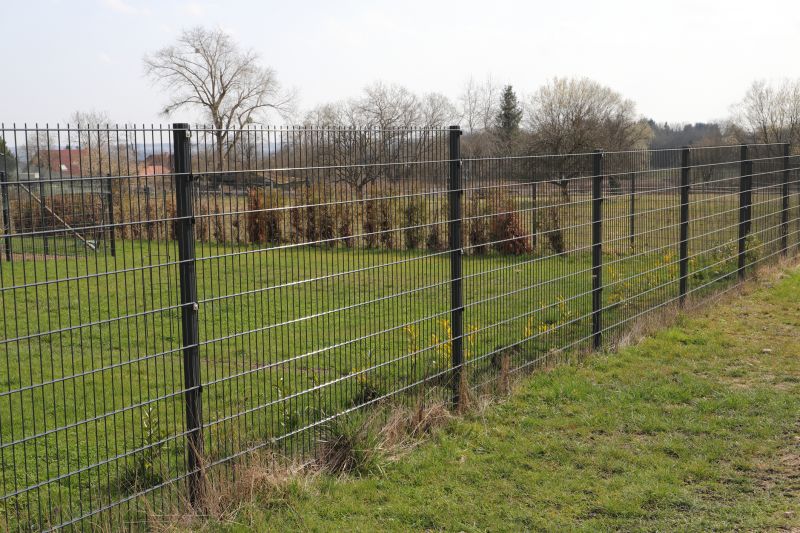
When selecting a professional for livestock fencing installation, it’s important to consider their experience in the field. A contractor with a proven history of completing similar projects can offer insights into the types of fencing suitable for specific livestock and terrain conditions. Reputable local pros often provide detailed information about their past work, allowing homeowners to assess their expertise and familiarity with regional requirements. Ensuring that a service provider has a solid track record can help set clear expectations for the scope and quality of the fencing installation.
Clear communication of written expectations is a key factor when working with local fencing contractors. Homeowners should seek out providers who can offer detailed project descriptions, including materials, installation methods, and approximate timelines. This transparency helps prevent misunderstandings and ensures that both parties have aligned goals. Reputable pros are typically willing to discuss project specifics beforehand, providing written estimates or proposals that outline the scope of work and any relevant considerations.
Reputation and references from previous clients are valuable indicators of a fencing contractor’s reliability and professionalism. Local pros who are well-regarded in the community often have a history of satisfied customers and positive feedback. Homeowners can benefit from asking for references or reviews to gain insights into the contractor’s workmanship, communication style, and ability to meet project expectations. Effective communication throughout the process is essential, ensuring that homeowners stay informed and any questions or concerns are addressed promptly by the service providers they contact.
Property owners in Larimer County, CO use Livestock Fencing Installation services for practical projects around their homes and businesses. The sections below highlight everyday jobs and straightforward project options.
Livestock fencing installation services are commonly sought after by property owners in Larimer County, CO, who want to contain animals such as cattle, horses, or goats. These fences help keep livestock secure within designated areas, preventing them from wandering onto roads or neighboring properties. Additionally, property owners may look for fencing solutions to establish clear boundaries, protect gardens, or prevent wildlife from entering certain areas of their land.
In many cases, residents and farmers in the region may require fencing to accommodate seasonal changes or specific project needs, such as creating paddocks or pastures. Fencing professionals can assist with selecting appropriate materials and designs that suit the local terrain and livestock requirements, ensuring the installation is durable and effective for everyday property management.
What types of fencing materials are available for livestock fencing? Local pros typically offer a variety of fencing materials such as wire, wood, vinyl, and electric fences to suit different livestock needs.
How long does livestock fencing installation usually take? The installation timeframe depends on the size and complexity of the project, with local contractors providing estimates during the consultation process.
What factors influence the cost of livestock fencing installation? Costs can vary based on materials, fencing length, terrain, and specific livestock requirements, with local service providers offering detailed quotes.
Are there any regulations or permits required for livestock fencing? Regulations can differ by location; contacting local authorities or fencing professionals can help ensure compliance with relevant rules.
How can I maintain livestock fencing to ensure its longevity? Proper maintenance involves regular inspections, repairs of damages, and keeping vegetation clear around the fence line, as advised by local fencing experts.
Types of Fencing Materials - Local fencing professionals can help select the best materials for livestock enclosures, such as wood, wire, or vinyl, suited to specific needs.
Fencing Design and Layout - Experts can assist in planning effective fencing layouts that optimize pasture use and livestock containment.
Installation Services - Skilled contractors provide professional livestock fencing installation to ensure durability and proper setup.
Fencing Maintenance and Repairs - Local service providers can handle repairs and routine maintenance to keep livestock fences secure and functional.
Considering Livestock Fencing Installation for a property in Larimer County, CO? The sections above highlight common project types, practical options, and details that often shape the scope of work.
When you are ready, use the quote form to share a few details about your project. Local pros can review the basics and respond with options that match what you have in mind.